
Posted on November 23, 2026
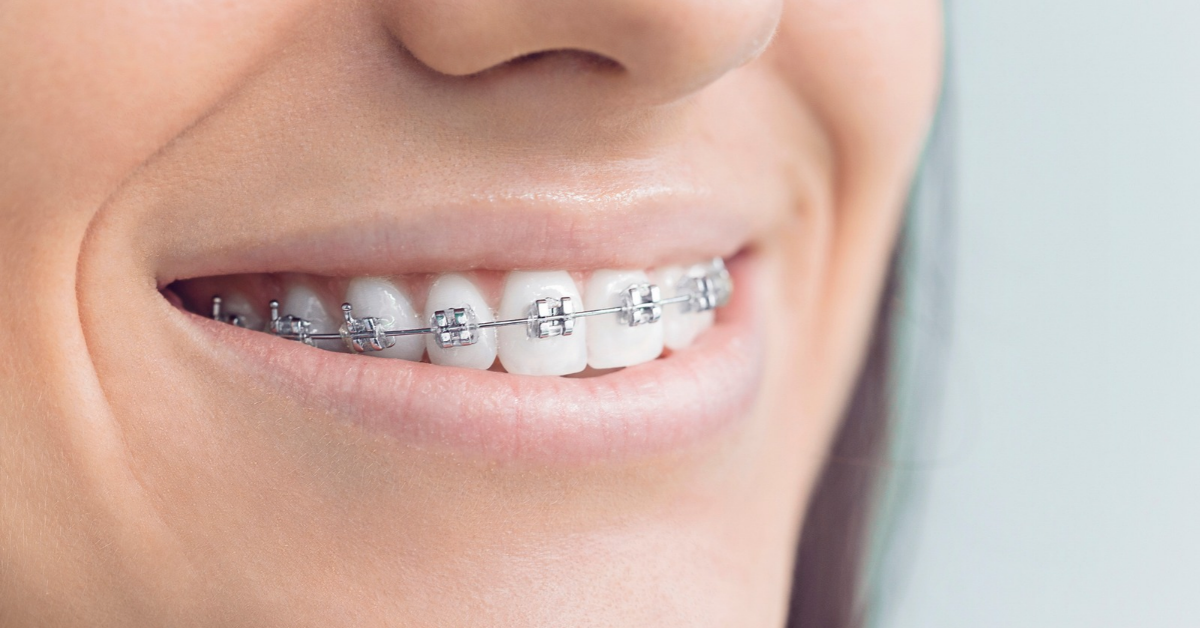
When you look at someone wearing braces, you probably notice the small brackets attached to each tooth. But the thin wire running through those brackets does much of the work of guiding teeth into new positions. That wire is called an archwire.
If you are considering braces for yourself or your child, understanding the archwire can make treatment feel less mysterious. What does an archwire do? Why does your orthodontist change it? And what should you do if the wire starts poking your cheek?
At Smileyville Braces in Louisville, KY, Dr. Art Wickson helps patients understand their orthodontic options and what to expect along the way. Here is a closer look at the wire behind your changing smile.
An archwire is the slender orthodontic wire that connects the brackets on your teeth. It follows the curve of your upper or lower dental arch, which is how it gets its name. Depending on your braces, the wire may be held in place by small elastic ties, metal ties, or a bracket’s built-in closing mechanism.
Brackets provide attachment points on individual teeth. The archwire links those points and delivers forces that help move teeth toward their planned positions. The exact shape, size, and material of the wire depend on your treatment stage and the movements your orthodontist wants to achieve.
Most people with traditional fixed braces have one archwire for the upper teeth and another for the lower teeth when both arches are being treated.
An archwire works together with brackets to apply controlled pressure to teeth. When a wire is placed into brackets on crooked or crowded teeth, it may bend away from its original shape. As it tries to return toward that shape, it transfers gentle forces through the brackets.
Those forces encourage changes in the tissues and bone surrounding tooth roots. Over time, this process allows teeth to move. Tooth movement happens gradually, which is why braces treatment takes months rather than days.
The wire does not simply pull every tooth into a perfect line at once. Dr. Wickson can select different wires and make adjustments based on the specific tooth movements needed, including straightening, spacing, and bite correction.
Not every archwire feels or behaves the same way. Orthodontists choose materials based on how flexible or firm a wire needs to be.
Nickel-titanium archwires are commonly used in earlier stages of treatment. They are flexible and can deliver relatively light forces as teeth begin moving. Some varieties are temperature-sensitive, but not every nickel-titanium wire is heat-activated.
Stainless steel archwires are generally stiffer and may be used during later stages when the orthodontist needs more precise control of tooth position or bite relationships.
Other materials and wire designs are available for particular treatment needs. Your orthodontist chooses what is appropriate for your teeth, rather than using the same wire throughout treatment.
As your teeth move, the wire that worked well at the beginning may no longer be the best choice. Your orthodontist might replace it with a different size, shape, or material to guide the next phase of treatment.
Early wires often focus on initial alignment. Later wires may help with finer positioning and coordinating how the upper and lower teeth fit together. A wire change does not necessarily mean that treatment is almost finished. It means the orthodontist is responding to your progress and treatment plan.
Sometimes an appointment involves checking the existing wire rather than replacing it. Each visit is based on what your teeth need at that point.
Many patients with braces have progress appointments approximately every four to eight weeks, although the schedule varies by orthodontic system and individual needs. Not every visit requires a new archwire.
During an appointment, the team may examine your tooth movement, replace elastic ties, adjust a wire, or change other parts of your braces. These visits are also a chance to mention soreness, a loose bracket, or a wire that has been rubbing your cheek.
Keep your scheduled appointments even if your braces seem to be working fine. Your orthodontist needs to monitor how your teeth and bite are responding before deciding on the next adjustment.
You may feel pressure when a new archwire is placed or adjusted. Some patients notice tenderness when biting or chewing during the next few days, especially after an early treatment appointment.
This discomfort is usually temporary. Soft foods such as eggs, pasta, yogurt, and soup may feel better until your teeth settle down. If a bracket or wire rubs the inside of your mouth, orthodontic wax may help protect the irritated spot.
Pain that is severe, persistent, or accompanied by swelling deserves a call to your orthodontic office. You should not assume every painful sensation is a normal part of braces.
As teeth move, the end of an archwire can sometimes extend farther beyond the back bracket. A shifted or damaged wire may also irritate your lips, cheeks, or gums.
If this happens, contact your orthodontic team and explain where the wire is bothering you. While waiting for guidance, a small amount of orthodontic wax over the irritating area may provide temporary relief. Rinsing gently with warm salt water can also soothe minor irritation.
Do not try to pull the wire out or cut it yourself. Doing so could damage your braces or cause an injury. If a wire becomes loose, breaks, or causes significant discomfort, ask the office how soon you should be seen.
Yes. Traditional metal braces, clear braces, and gold-colored braces can all use archwires to guide tooth movement. The brackets may look different, but the basic relationship between brackets and wires is similar.
Invisible aligners work differently. Rather than using a fixed archwire, they rely on a planned series of removable trays to move teeth. Which option is appropriate depends on your bite, alignment needs, and personal preferences.
At Smileyville Braces, you can ask about clear braces, gold braces, invisible aligners, and traditional braces during your FREE Smile Consult.
Learning about archwires is one part of preparing for orthodontic treatment. Understanding the price is another. At Smileyville Braces by Dr. Art Wickson, traditional braces start at $2,998, with financing options as low as $123 per month.
Smileyville accepts most insurance plans, too. Actual costs and payment terms depend on your treatment plan, insurance benefits, and financing eligibility.
At SmileyVille, we want everyone to get a great deal on a great smile. During your FREE Smile Consult, you can talk about treatment options, estimated timing, and orthodontic pricing plans without having to guess what comes next.
An archwire connects the brackets and helps deliver controlled forces that gradually move teeth. Your orthodontist selects the wire based on the alignment and bite changes needed during each stage of treatment.
There is no fixed schedule for everyone. Progress visits often happen every four to eight weeks, but your orthodontist may keep the same wire in place for multiple visits or change it when the next treatment stage calls for it.
Mild pressure or tenderness after placement or adjustment is common and usually fades within a few days. Contact your orthodontist if discomfort is severe, continues, or comes with swelling or a wire injury.
Call your orthodontic office for instructions. Wax may temporarily cover an irritating area, but do not attempt to cut or remove the wire yourself. Seek urgent medical help if you have trouble breathing after an orthodontic appliance breaks.
No. Removable clear aligners move teeth through a sequence of custom trays rather than brackets and archwires. An orthodontist can help determine whether aligners or braces are a better fit for your smile.
An archwire may look like a simple piece of metal, but it plays an important role in moving teeth throughout braces treatment. Knowing how it works, why it changes, and when to call about discomfort can help you feel more prepared for your orthodontic journey.
Ready to explore braces? Visit Smileyville Braces by Dr. Art Wickson at 4825 S. 3rd St., Louisville, KY 40214. With braces starting at $2,998, financing options as low as $123 per month, and most insurance plans accepted, there are ways to make a straighter smile more affordable. Ask about your options at your FREE Smile Consult.
