
Posted on October 20, 2026
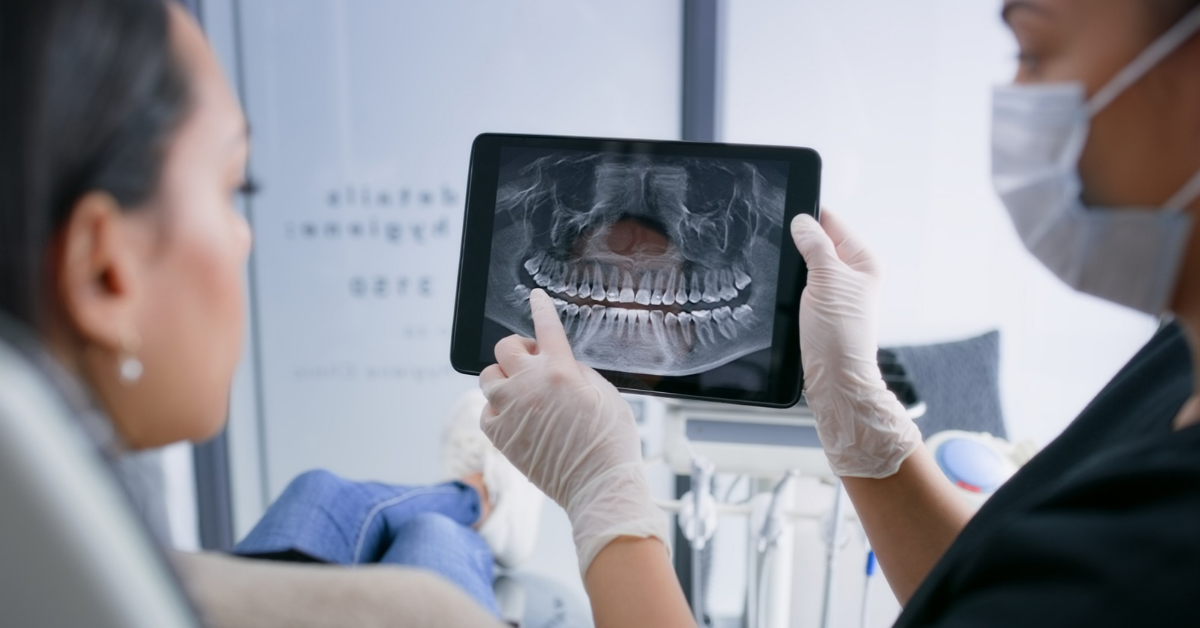
When you picture your first orthodontic appointment, you probably imagine someone looking at your teeth and talking about braces. X-rays can reveal details that an examination cannot show.
If you are considering braces for yourself or your child, you may be wondering: Do you need X-rays before braces? What do orthodontic X-rays show? Are they safe? Will insurance help pay?
At Smileyville Braces in Louisville, KY, Dr. Art Wickson helps patients explore orthodontic treatment with their individual needs and budgets in mind. Here is what to know before your first appointment.
Dental X-rays are images that allow dental professionals to see structures beneath the visible surfaces of your teeth and gums. While a regular examination shows the crowns of your teeth and how your bite looks, X-rays can reveal roots, developing teeth, portions of the jawbone, and other details.
Orthodontists use this information alongside an examination, photographs, and sometimes digital impressions to understand how teeth are positioned and what may affect their movement. Your orthodontist considers your history and existing records before recommending new images.
It also helps to know that a digital scan of the outside of your teeth is not the same thing as an X-ray. Intraoral scanners capture the surfaces of teeth without using X-ray radiation. They answer different questions.
Crowded or crooked teeth tell only part of the story. An orthodontist may need to see beneath the gums.
For example, a permanent tooth might be developing in an unexpected position, or a tooth that should have erupted may be trapped beneath the gum. Root positions and jaw relationships may also affect the recommended treatment approach.
Depending on the patient, orthodontic X-rays may help evaluate:
These findings guide decisions about crowding, spacing, bite problems, and possible additional dental evaluation.
At Smileyville Braces, your consultation with Dr. Wickson is an opportunity to discuss your smile goals and learn what information is needed to plan treatment. Ask how recommended X-rays may influence your options.
Different images answer different questions.
A panoramic X-ray provides a broad view of the teeth and jaws in one image. It can help an orthodontist check for unerupted teeth, missing teeth, and certain developmental concerns. It can be useful when evaluating developing teeth.
A cephalometric X-ray typically shows a side view of the head. Orthodontists can use it to study how the upper and lower jaws relate to each other and how the teeth fit within that structure. It may help with bite correction planning.
In selected cases, an orthodontist may recommend cone-beam computed tomography, also called CBCT. This produces three-dimensional views that can help answer questions not adequately addressed by conventional images. Because CBCT generally involves more radiation than standard dental X-rays, it is not routinely necessary for every braces patient.
It is reasonable to ask about radiation, especially when your child is getting ready for braces. Dental X-rays use ionizing radiation, so they should be taken when the expected diagnostic benefit justifies the exposure.
Modern dental imaging equipment and appropriate techniques help limit radiation exposure. Your orthodontist should select the images needed to answer specific questions rather than take new X-rays simply because a certain amount of time has passed.
Tell your orthodontic team if you have had recent dental X-rays. Existing images may provide useful information and could prevent unnecessary repeat imaging. If you are pregnant or might be pregnant, share that information so your dental team can make an informed imaging decision.
Ask why any image is recommended.
Most orthodontic X-rays are quick and painless. The exact experience depends on the type of image being taken.
For a panoramic X-ray, you may stand or sit while a machine moves around your head. You will usually be asked to keep still and position your teeth or chin as instructed. A cephalometric image also requires you to hold a particular position briefly while the picture is captured.
The imaging often takes seconds, with extra time for positioning. The team may ask you to remove glasses, jewelry, or other items that could interfere with the image.
If your child feels nervous, the team can explain the process.
You do not normally need new X-rays at every adjustment appointment. Most visits focus on checking progress, evaluating your bite, and making changes to wires or other appliances.
Additional images may be recommended during or after treatment if they would help answer a particular question. The timing depends on your age, tooth development, treatment progress, previous records, and clinical needs.
Ask your orthodontist what imaging is needed for your plan.
The price of orthodontic X-rays depends on the type of image, the provider, and how diagnostic records are billed. Some practices include certain records within an orthodontic treatment fee, while others charge separately. Ask for a breakdown before treatment.
Dental insurance may cover some diagnostic X-rays, but coverage varies. Plans can have limits based on image type, how recently an image was taken, and whether the service falls under dental or orthodontic benefits. Having orthodontic coverage does not automatically mean every X-ray will be paid for.
At Smileyville Braces, braces start at $2,998, with financing options as low as $123 per month. The practice also accepts most insurance plans. During your FREE Smile Consult, ask the team about your estimated treatment costs, available payment plans, and whether any recommended imaging has a separate charge.
X-rays are only one part of deciding how to straighten a smile. Your orthodontist also considers how your teeth fit together, what you want to change, and which treatment choices make sense for your needs.
Smileyville Braces offers options including traditional braces, clear braces, gold braces, and invisible aligners. Dr. Wickson can help you compare options suited to your needs.
Cost matters, too. At SmileyVille, we want everyone to get a great deal on a great smile. With Louisville braces starting at $2,998, monthly financing options as low as $123, and most insurance plans accepted, you can explore treatment without guessing what it might cost.
Orthodontists often use X-rays to plan braces treatment, but not every patient needs new images. Your orthodontist will consider your examination, existing records, and the questions that need to be answered before recommending imaging.
Depending on the type, they can show tooth roots, unerupted or impacted teeth, jaw relationships, and certain conditions that are not visible during a routine examination. This information may influence your braces treatment plan.
Dental X-rays involve a small amount of radiation, so the decision should be based on the child’s individual needs. Orthodontists can use appropriate imaging techniques to limit exposure and avoid unnecessary pictures.
No. Regular adjustment visits usually do not require new X-rays. Additional images may be recommended when they would provide information needed to guide treatment or evaluate a specific concern.
Some dental insurance plans cover certain X-rays, but benefits vary. Coverage may depend on the image, frequency limits, and how the service is billed. Smileyville Braces accepts most insurance plans and can help you review available benefits.
Dental X-rays can help your orthodontist understand what is happening beneath the surface of your smile. When they are needed, they provide information that supports thoughtful treatment planning and helps you understand your options before braces begin.
Ready to explore a straighter smile? Visit Smileyville Braces at 4825 S. 3rd St., Louisville, KY 40214. Braces start at $2,998, with financing options as low as $123 per month, and most insurance plans are accepted. Ask about clear braces, gold braces, invisible aligners, and orthodontic pricing plans at your FREE Smile Consult!
